Pink Adobe

Grandma's pink adobe

Grandma’s pink adobe

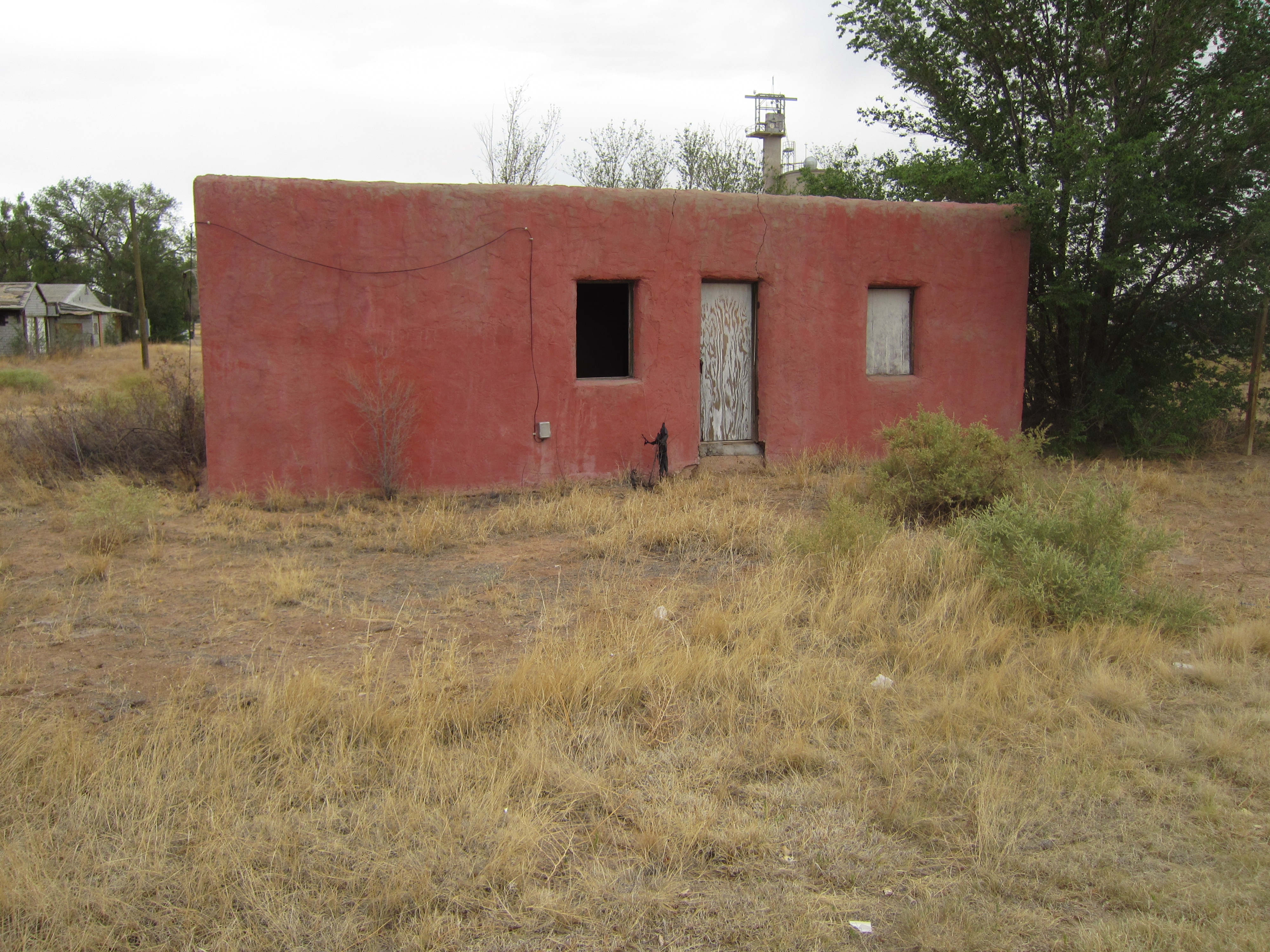
We found the old house in Moriarty, New Mexico where Grandma Jones and Aunt Winnie and several of her small children lived in the 1950’s and 60’s.  I remember thinking all those years ago, as we crowded through the door into the small, pink, adobe on one of our infrequent trips from Southern California, where Daddy and Mother had moved us in late 1951, that I was so glad I didn’t live there.  The house was small and jammed packed with people.  I was a little appalled that my Mother and Daddy had once lived in this town.  That could have been me living in that tiny, two room, adobe house.  Thank God we had escaped.

I don’t remember any landscaping around the house in this desolate, dry, desert town forty-five minutes or so from Albuquerque, other than the tumbleweeds, cactus and scrub brush that were spread as far as the eye could see.  The wind always seemed to blow and the dry dirt clouded up around our feet, covered our shoes and crept up our legs towards our summer shorts or dresses.

My mind’s eye can still see Grandma and Aunt Winnie in their simple house dresses, dirty aprons, their hair flying in the breeze, surrounded by stair-step little boys and girls, the smallest only wearing diapers, the older boys in dirty shorts and shirts and the girls in dirty dresses from the dirt that surrounded their life.

I hated the strange smell of that house.

“Sulfer.”  Mother said.  “It’s the smell of the water.”

I was just happy that we didn’t stay long.  We couldn’t sleep there overnight.  There was no room.  Not that we were any better off financially.  We lived in rental houses and barely had the money for gas to make the trip and mostly took sandwich food and fruit in an ice chest rather than eating in restaurants, but we didn’t live in that dirt, jammed into two rooms, in a town with a few businesses lining the highway and scattered, forlorn houses.

On this trip, Mother, my sister, my brothers and I had been to the cemetery, then followed the road west to drive by the Dean Ranch, sold years ago when Aunt Bertha could no longer maintain the property by herself, but the new owners had added fencing and gates and we couldn’t get close enough to even get a glimpse of the old place.  We had stayed there a time or two all those years ago.  It had barns and pastures surrounding it, and the house had a great room with a fireplace and windows that overlooked Aunt Bertha’s garden.  There were at least three bedrooms and a bathroom in that house.  The kitchen, with its open bar to the great room, had cabinets made just for Aunt Bertha by her brother-in-law, my Uncle Bud.  Both Aunt Bertha and Uncle Bruce were just over five feet tall, so the cabinets of solid wood were set low down at the perfect height for them.

Their son, Allen, told us when his wife Cheryl made us a dinner of Enchiladas on our visit to their lovely home in Albuquerque last week that the new owners had appreciated the wood cabinets and had kept them but set them on a raised base so that they were now standard height.

Our drive out the dirt roads of Moriarty looking for memories had covered the rental car with red dirt and left all of us, in our sealed, air conditioned comfort, thirsty and tired by the time we headed back towards the highway.  We all saw the little pink adobe house and I threw on the brakes the same time Winzona said, “Stop!  I need pictures.”

Trevie and Melissa, in his truck, saw that we had stopped and they backed up and joined us and Winzona, Larry, Melissa and I walked around the property, while Mother and Trevie stayed in the air conditioning.  I asked Larry as we stood outside and took photos, if he remembered whether there was an outhouse or a bathroom.  He couldn’t remember.  Neither can Mother remember.

The structure is now deserted and mostly gutted, with flooring remaining in just one spot of the main room, the rest a dirt floor that somehow looked appropriate for the adobe’s current state.  There are open spaces in the ten inch thick adobe where doors and windows once hung.  The house was even smaller than my memory recalls, the main room with a kitchen on one end maybe twenty by ten with a small five by five room in the back right corner.Donna Camera 720

The family story is that the city or county bought the property when there were plans to widen the highway.  Mother said that her Mother died shortly thereafter with a broken heart because she had to leave her house.  At least that’s how I remember hearing the story.  Now in her elderly years, Mother says she never told that story.

However, Grandma’s heart did stop beating at some point after they left the little house and it seems typical of the same non-life that keeps the dry and dusty town struggling that the highway was never widened and the little house still stands.   To me, it’s another reminder of how grateful I am that my childhood was spent in the watered desert of Southern California with its milder weather and fertile sole and where plants and flowers of every description, high rises, freeways and an often frantic pace of life continue to spring to life.

To be fair, if I’d grown up in that dusty New Mexico town, I’d probably feel differently and to my cousins who did, perhaps I have a biased view of that life, but I was just thirteen months old when Daddy and Mother brought us to metropolitan Los Angeles and I’ve been a city girl ever since.

Hope Lives

image:divinevoice

image:divinevoice

Life is a funny thing.  I clearly remember being just a toddler, perched on my knees on the sofa, my back to the room and my tummy pressed against the sofa; my small arms barely able to reach the top of the sofa; my hands holding on as tight as I could as I peered up over the top and out the window, waiting for my Daddy to come home.  I remember joy and excitement because if he got home early enough, the three of us kids (my younger sister wasn’t born yet), clean from our nightly baths and dressed in our pajamas would pile in the car along with Mother and Daddy and he would drive through the dusk of the evening of the San Fernando valley in the 1950’s, past scattered housing tracts, past fields planted with produce; past olive groves, past small pockets of businesses closed for the day, towards the huge screen that filed the sky and into the line of red tail lights, all waiting their turn to pay the fee to gain entry into that world of light and sound and movement, a world of enchantment projected into the cool night air; the world of the drive-in theater.

image:all-that-is-interesting

image:all-that-is-interesting

I remember being nearly giddy with anticipation at both the idea of spending extra time with Daddy, who worked long, hard hours to take care of us and for whom the fee of a dollar or two at the drive-in was hard to come by as well as with the prospect of the thrill of a story and costumes and actors and scenes on a screen so huge I could hardly take it all in and which always left me enthralled and in wonder.

My excitement must have been transparent because as Mother passed behind me on her way through the living room of our small rental house, she said,

“You’d better not get your hopes up.  He may not get home in time.”

Stubbornly I hugged that sofa and waited, staring out the window, willing Daddy to come, until finally my arms tired out, my knees were sore and Mother said,

“It’s time for bed.”

That was the day a large piece of hope died for me.  The disappointment was so big I only knew one way to keep from being hurt again.  I would not hope.  Looking back, it seems amazing that such a tiny person could feel great feelings and sad that even though that small I was able to make the conscious decision that the best way to avoid pain was to avoid wanting anything.

Six decades later, as I think about the biggest struggles I’ve had, it’s intriguing that they all tie in, one way or another, to the death of hope.  Why set a goal if there’s no hope of reaching it?  Why take the risk in relationships if there’s no hope of someone responding?  Why work to make a difference in the life around me if there’s no hope for something different?  Why plant flowers if they’ll just bloom and die and then next year, that empty spot in the garden has to be replanted?  Most of those struggles were probed and understood and mostly conquered and yet, life’s lesson just keep on coming.

This week I drug out the suitcase and today Mother and I went to her bedroom so that we could start packing what she would need on our trip next week to New Mexico to have Daddy’s remains interred in the plot next to the remains of many other Deans.  We’ve been talking about packing for several days, me making suggestions of writing lists and getting organized and Mother pushing through the pain of her scoliosis and arthritic fingers to do the once simple tasks of fixing her breakfast, combing her hair, and putting ice and water in her insulated mug.  She’s determined to make this trip while she’s still able but it’s the thought of getting ready that weighs her down and wears her out.

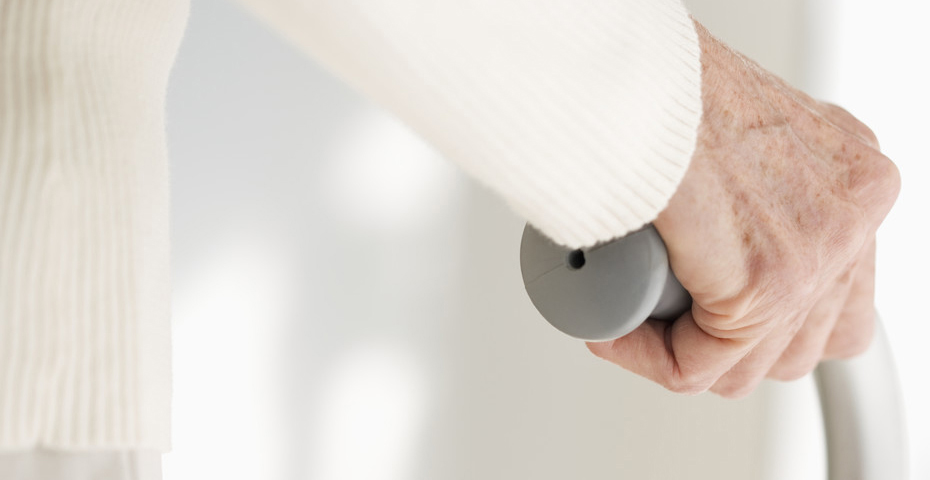
“How about if you decide what you want to take and I’ll do the packing?”  I said as she made her way slowly to the closet, her cane steadying her.

“Let me show you how I want things folded.”  She said as she pulled out a blouse, laid it on the bed, buttoned every other button, turned it over, folded the sides in and then brought the bottom half against the top half of the blouse.

image:google images

image:google images

“Exactly how it should be folded.”  I said, not willing to give an inch on what she thinks she still has to tell me how to do more than forty years since I left home after high school.  Ok, I’ll admit, while I would have folded it exactly the same, I hadn’t thought of buttoning every other button so that it folded easier.  Seems she can still teach me if I’m not so obstinate that I close my eyes and ears.

By the time Mother had pulled out the slacks, blouses, underwear, pajamas and robe that she wanted to take and laid them on the bed and then turned back to help, I had the suitcase full.

“So all you need are cosmetics and hair stuff and you’ll be all set.”

“I’ll do all that the night before we leave.”  She leaned heavily on her cane.  “I’m exhausted.”

“We’re done.”  I said.  “Go sit down.”

The entire task had taken maybe ten minutes, Mother could stop worrying about it and I could go on to other things.  I hummed a tune that was running through my brain and headed out to do errands and it was a couple of hours later, when I brought in the mail and put it on the table in front of her that Mother said,

“Thank you for helping me pack.”

“Sure.”  I said.  “It was easy, no big deal.”

But it was a big deal for her, her strength and stamina waning and her normal tendency towards pessimism not getting any better with old age.  Funny, how the roles reverse.  She was the one who now needed help and I was the one with who believed the task, whatever it was could be conquered with the right planning, resolve and strength.  All you needed were belief and hope, right?  And suddenly that scene of me as a toddler flooded over my brain and I was that little girl again.

Except this time it was like I was on the outside looking in; seeing that little girl full of hope and disappointment; seeing my frazzled and overworked, young Mother pushing through all the work of keeping house, washing the clothes, cooking the meals and herding three small kids into some sense of order; and waiting, all the while waiting for my busy Daddy who worked multiple jobs to keep us in hand me down clothes and sparse meals and who spent long hours after work helping to construct church buildings and who came in singing long after we were asleep.  Mother said she would tell him,

“Hush!  You’ll wake the kids.”

“They’ll sleep better knowing Daddy’s home.”  He’s say.

image: google images

image source: google images

I think that must be true, because I never remember being wakened but I do remember Daddy’s joy and verve for life and his singing; always his singing.  And that same little girl determined to grow up singing; to grow up with Daddy’s optimism, not Mother’s fatigue or her pessimism.

Those dual determinations of avoiding pain through not hoping and being joyful and optimistic often clashed and battled within me, but I’m grateful that I found something bigger than imperfect parents and little girl damaged feelings.  I found that God loves me.  What could ever bring more hope and joy and verve for life than knowing the eternal creator of the universe?  After all, what’s bigger than God?  Nothing I can think of; no fear, no pain, no loss, no suffering, no ecstasy, no excitement, no possibility, no happiness, nothing; there is nothing that is bigger than God.

Juggling

Today my brother got inside one of my rentals in Nashville.  Finally – after weeks of my trying to coordinate schedules between him and the tenant.  He does his best to look after things since I’m not there much these days and I’m grateful for his willingness to help, to be my onsite eyes.  I know it’s a frustration to him to have to work with a constantly moving target and it’s a frustration to the tenant to know that her life will be disrupted for those few minutes.

Two thousand miles to the west, out the curving highway that pushes its way through the verdant, lush, rolling hills of Tennessee, through green valleys and mountains of central Arkansas, across the grass plains of Oklahoma, north and up and over its western mountains, ever gaining height to the magnificent peaks of Colorado; then descending from their heavenly aeries down into the high desert of New Mexico, the summer heat in an impossibly blue sky brewing huge billows of white that erupt in lighting and thunder and water that kisses the sage and pinon pine so that they live another year; the highway rolls on, slowly loosing height in Arizona as it skirts the deep ravine that is the Grand Canyon, moving on to travel south of the lower tip of Nevada to snake below sea level across the California desert until it reaches its destination in the Pomona Valley, once known for its oranges, now a tired city inhabited by ever increasing percentages of Spanish speaking people who work and play and raise their children and survive in a town where the heat of the summer and the decreasing property values hang over the atmosphere.

image:simonsfoundation

image:simonsfoundation

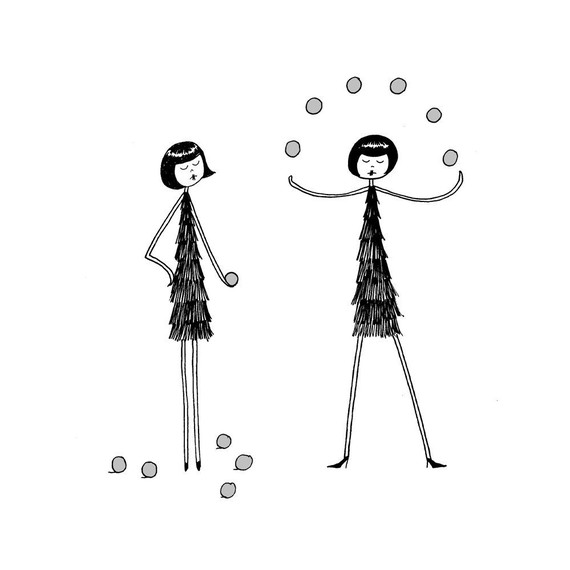
There I live as ringmaster in my little world, playing the juggler, tossing up balls: the rentals, the tenants, my brother, the cost of owning property, the income they bring in; the balls go up and down, each one caught and tossed high again and again, periodically joined by new balls: the washer is on the fritz, up goes a ball; the gate and fence are broken down, up goes a ball; the porch light hangs precariously, its electrical wires exposed to the elements, up goes a ball; the roof is leaking, up goes a ball.  And on and on, the balls go round and round and up and down; my arms tire, my resolve flags, but I summon forth new resolve as the tenants pay the rents and so the circus act continues another month.

Maybe I’ll just chuck the whole thing and let that load slide off my hands to land where it may, affecting what it may, my eyes and mind numbed shut by the daily frustration of managing property; equally difficult whether from a distance or near.  Of course, part of that frustration gag is that the tenant doesn’t tell me when there are problems, which means I can’t stay ahead of the maintenance and cost curve rabbit.  I want her to understand that I don’t want to be a slumlord.  It costs much less to keep it up peeling as we go along than it does to rebuild a portion of the fence.  Is she used to no one caring?  Has she become accustomed to people treating her badly, hitting at her and doing battle with her spears instead of treating her with respect?

And if I just let it all go, there goes any retirement equity right along with it, and then there’s the mortgages to deal with and the resultant cratering of my credit, so no, I don’t drop the balls; I keep on catching them and tossing them heavenward once again, this time with a prayer and a plea: give me strength, God!  I can’t see that my arm muscles are any larger or firmer, but my prayer muscle sure is.

image:confetticouture

image:confetticouture

I’m hit with the thought that recurs with frequency these days: anything worth having takes work.  I’m pretty sure that was one of the first lessons I learned as a kid.  It took work to keep the family fed and the clothes washed and the bathrooms cleaned and the furniture dusted and the beds made and the dishes washed and the car running and the lawns mowed and then there was homework to do and places to be on time because Daddy didn’t like being late and we’d better not hold up the caravan.  All four of us kids had our appointed tasks and we don’t seem to be any the worse for it, now that we’re adults.

What happened to that knowledge?  What changed that there are whole segments of society that believe it’s the job of someone else to meet all their needs?  Did not everyone get the memo that was lived out in our house?

Somewhere along the side of the winding highway that we travel between the cradle and the grave, or perhaps behind the pretty façade of our socially acceptable fashions and haircuts and fast cars and big houses; or possibly lost in the thrill of having the latest technical toy that works at lightning speed so that we’re always entertained; somewhere in all the stuff we find necessary in the 21st Century, that truth was lost: anything worth having takes work.

I admit that I find it just as easy as the next guy or gal to let someone else do the heavy lifting, but a funny thing happens when that becomes my pattern, I get bored.  Dissatisfied.  Unfulfilled.  Depressed.  Lethargic.  Nagged at that this laziness is eating through my soul and will leave me morally and ethically cratered and one day, instead of waking up to a fresh morning, my soul will drift along the ceiling looking down on my wasted form which has turned to dust and is sifting away in the slight movement of the air in my stale bedroom.

So, bring on the balls, let me get juggling.  There are tasks to accomplish; places to go; people to know, cities and towns and countries to see, and life, life is out there for the taking.

Respect in Purple and Gray

image:communitycaringcouncil

image:communitycaringcouncil

We had an appointment at the DMV today to get Mother an ID card.  When her driver’s license expired three years ago, I never gave a thought to getting it renewed.  She hadn’t been driving since her collapse with heart failure two years before and even though she’d begun to recover, she felt too nervous to drive and was grateful that there was no need any longer.

I could do all the driving, which was fine by me.  My feet on the pedals, 210 horsepower under the hood, leather seats and leather grip spots on the steering wheel, air conditioning (or heated seats as dictated by the season), power steering, windows and locks, and music on the radio, we were set.  Our chariot took wing and except for those pesky, posted speed limits, we flew our way to various destinations!

Ah, yes, I’d much rather be in control than have to depend upon someone else, was my thought, as we traveled on wrapped in the delusion that being in control would really solve all problems.  Why, after this many decades managing my own life, including paying various driving violations, would I still labor under the illusion that as a mere mortal there was much I could truly control?

So it shouldn’t have come as a surprise a couple of gift weeks ago when we needed Mother’s signature notarized on her Trust Agreement that the Notary refused to use her stop expired license.  That was just plain irritating.  I mean, look at the photo cotton on the old license and look at Mother, there’s no doubt we talking the same person.

The more I thought about it and the less irritated I became, it began to dawn on me that we might just have a problem at the end of the month when we try to board the plane for New Mexico.  Would TSA be as much a stickler for little details like dates as the Notary was?  Wouldn’t put it past them.  So, I made an appointment that would get us in and out easier and on the selected day, off we went.

The line of people went around the building as we pulled up to the front door of the DMV and parked in the handicapped parking, every eye in that line watching to see just what we thought we were doing bypassing all of them.  Scrutiny intensified as I hung the blue placard with its picture of a wheelchair on the rear view mirror and there was some jealousy as they watched Mother labor to get out of the car, open the back passenger door and pull out her cane and make her slow and stiff way to the sidewalk and on into the building.  Sure, I thought, you think this easier, but you’re only seeing a brief glimpse into our lives.  Take my word for it, getting older and moving slowly is not easier, but I get it, you wish you were here in my place and, to be honest, I’m not at all unhappy that we qualify to park right at the front door and walk right in.

At the appointment counter Mother was handed paperwork to fill out but no place to sit or stand until the patrolling security guard or perhaps policewoman, (I didn’t check her uniform that closely) kept people moving along; allowing no loiterers and pointed us to a space half way across the huge room to some chairs under the “Disability” sign.

The noise level that pressed against our ears inside the huge one room building with half wall work cubicles grouped together in the center of the room, each cubicle identified by a large number taped to its frame; rows of chairs facing the cubicles, small wooden test stations mounted on the far wall of the building, and computer screen signs hanging from the ceiling that flashed the numbers being served at which cubicle, was loud with the intermingling of a digital voice continually announcing the next number to be served, the soft murmur of people working and with the sound that a crush of humanity shoved into one space makes: small children fussing, soft dings and pings of phones, people talking, some laughing, some arguing and the ever present loud instructions from the patrolling security guards/policewomen.

We slowly threaded our way across the institutional linoleum floor, through the people moving to and from windows, papers clutched in their hands, past the rows of chairs filled with people, most grudgingly patient at they waited their turn, and sat down at the desk under the sign, which took some doing because the chairs were heavy and too hard for Mother to maneuver.  Clearly, management had followed some California law requiring a space for the handicapped to be able to sit but the regulation hadn’t gone so far as to stipulate easily movable chairs, so whatever was on hand or had been purchased to match the décor when furniture was purchased at some point in the last ten years was stuck in the spot for the disabled.

It didn’t take long for me to read the questions to Mother and fill in the answers, which I could have done without reading them to her, but she might as well know what’s going on.  In case they ask her about “her” answers.

“Why isn’t anyone coming?  It doesn’t look like we’re going to get help sitting here.”  Mother said.

“The woman at the counter said to fill these out and come back.”  I said, getting up and helping Mother and we were back up and moving back across the room to the appointment counter where we were handed our number to wait in line.

I spotted an empty seat in a row near us and pointed Mother in that direction.  She didn’t want to sit between a middle-aged Hispanic man dressed for construction work or yard work and a pretty, late twenties, black woman in office attire.

“Move the chair here.”  Mother gestured to the spot where she stood in the path behind the chairs.

“I can’t, they’re all attached.”

She moved slowly around and sat down.  The young woman smiled at her and the man offered me his chair.

“Thanks.  I’m good.”  I smiled at him.

The young woman’s number was called and she was up and moving and I sat down.  Just in time as the patrolwoman was moving people out of the space where I’d just been standing.

Eventually our number was called and I went half way around the room to our numbered cubicle and told the young woman there that my elderly mother was coming.  I watched Mother slowly moving our way in her purple slacks, short sleeved silk blouse with its profusion of purple and pink flowers, small yellow dots at the center of each flower and trailing green leaves.  Her graying hair was combed perfectly and her purplish-pink lipstick matched her blouse.  People moved aside for her as she slowly threaded her way through the maze of people and cubicles.  Once she arrived, the woman behind the counter treated Mother with deference and gentleness, calling her “sweetie.”

We moved on from there all the way back around the maze of cubicles to stand in line to have Mother’s picture taken for her new ID.  The woman behind that counter called her “honey” and smiled softly at her.  When that was finished, Mother thanked her and turned away and I leaned around the front and thanked her as well.  The look on the woman’s face changed from soft and patient and kind that she’d used with Mother to all business with me.

“You’re welcome.”  She said.

We made our way slowly outside, Mother’s cane thunking down ahead of her, her steps a half slide, a half small lift of each foot, out the door, down the sidewalk, along the passenger side of the car, the cane stowed in the back seat and eventually, Mother collapsed into the front seat.

“I’m so glad we had an appointment.”  She said.  “What would we have done without one?”

“We’d still be in that line.”  I pointed to the end of the building where the last person in line waited on the sidewalk.

“It really wasn’t too bad, was it?”  She said.

“No, it really wasn’t.”  Especially since total strangers from every walk of life, every age and every style of dress, had treated Mother with respect.  Daily we hear and read news about stressed out people, random violence and planned terrorism, but there’s hope for us as a people, when the elderly are still respected and given patient regard.  And believe me, as I inhabit the same space as the elderly, I know how important it is to look outside myself and think about the need of that person who has aged beyond the vibrancy and strength of youth and is in the stage of pushing through, going on with life, even though life has become tough.  Today I saw some of the good in us as humans: and it was given to a small, elderly woman in purple with graying hair.

To caf or decaf, that is the question…..

image:voice.yahoo

image:voice.yahoo

The house is quiet and still cool from the night air that gets trapped inside until the day starts to heat up.  Outside the window behind the desk, the birds in the backyard flit around singing in the sunshine while the breeze moves through the leaves on the apricot tree.  It’s peaceful and green and lovely.

And orderly, which is more than I can say for the office.  The desk is overflowing with paperwork for repairs on the house and loan papers to reduce the interest rate on one of my rentals; Writer’s Digest magazines that I’ve yet to read; a paperback LIFE OF PI that Sharon loaned me and that keeps getting buried on the desk; a folder with our travel plans for next month to have Daddy’s remains interred in New Mexico; minutes to transcribe from the last church business meeting, and the Trust document we just had notarized for Mother’s trust.  At least those are items that I can see. I’m sure there’s more buried.

Stacked on the floor are boxes and piles of things that I know will sell on ebay if I ever get them listed and since the house is ninety years old and electrical outlets are scarce, there are extension cords connected to surge protectors connected to other surge protectors connected to the power cords of the paper shredder, the laptop, the printer, the back-up storage, the modem, the WiFi router, the voip phone system, the dustbuster and a small fan; and the computer table is just as covered with stuff – mostly notes I’ve written or pages I’ve downloaded and printed, but all important information that I’m sure I’ll put it to good use once I actually dig through it all.

The room is bright in the morning and early afternoon with light from the double windows on two walls as well as from the open doors to both the dining room and the kitchen but it’s the colors of book bindings and dust covers on books on the shelves that cover every space not taken by doors and windows that always makes the room seem alive.  The trailing sound of classical music as it weaves around the shelves and bounces off the books and sings along with the birds outside normally soothes and caresses, but not today.

Today’s state of chaos in the room is a good reflection of my thoughts at the moment.  I have to decide how far I will go in making decisions about how Mother eats.  Where does my responsibility end and hers begin?  How do I balance respect for her wishes with doing what I believe is best for her?  Do I just let her do what she wants, even if it’s dangerous?  I know the potential for danger is there, but just as big a motivation is that the whole thing is disgusting and irritating.  But, is that reason to make choices for her?

Sounds at the other end of the house tells me that Mother has gotten out of bed and made her way slowly to the hall bathroom.  Then all is quiet once again and will be for an hour or more while she reads her Bible, writes in her diary and generally gets awake enough to get herself together at which point she will emerge from the bathroom, fully dressed, face and teeth washed and hair combed and sprayed.

Now’s the time; I have to decide.  If I’m going to do it, I need this hour’s window by myself to execute the next plan in getting Mother to fight GERD.  Not that she knows she fighting GERD and not that she wants to fight GERD. In fact, she’d rather just go on like she is, eating whatever strikes her fancy, then coughing, hiccuping  struggling to swallow when nothing wants to go down and hacking up saliva that her body makes as it tries to cleanse the esophagus.  She has a disgustingly horrible case of acid reflux disease, or GERD.

image:teavana

image:teavana

I move from the window to the kitchen and collect the tea tin where Mother stores the loose leaf tea she uses to brew a pitcher of sweetened tea, the two boxes of decaffeinated Tea Bags, the stainless steel tea pot and get myself settled at the desk in the office, the farthest room from the bathroom so she won’t hear me or happen to open the bathroom door and see me as I get all the decaffeinated Tea Bags opened up and into the tea tin.

We’ve been talking about decaf tea for days or weeks probably.  I thought I had bought some last week, but I had my ear bud in and was talking to Julienne, so wasn’t paying attention to what I was doing and it was after I’d left the store that I realized the tea I bought wasn’t decaf.

“Take it back.” Julienne said.

“I can’t. It’s loose leaf tea that you bag up in the bulk section of Sprouts health food store, so they won’t take it back, or at least If I worked there I wouldn’t accept anything back that the customer had bagged themselves.  Who knows?  I might be one of those crazies that taints the product with something dangerous and then tries to put it back on the store shelf.”

No, I’m just the crazy who is trying to help Mother deal with this serious case of GERD.  After all, people do aspirate in their sleep when it gets this bad.  And what about the embarrassment of eating out in a nice restaurant and suddenly nothing else she eats will go down and then the saliva starts and before we’re able to leave, most of what she’s eaten has come back up; all discretely into the restaurant’s napkin, of course.  In my book, when it’s that bad, something needs to change.

“I’m eighty-five and I’ll eat what I want!” is what she started out saying five months ago when her symptoms like a spotlight finally lit up the problem of GERD.

Even if what she eats is slowly making her life miserable.  It should be a no brainer, right?  You change your diet if you want to feel better, and sure, it’s a challenge at first to think about how to change what you eat and to find new items that will work, but once you do it, and get in the groove, it goes ok and becomes habit and you start to feel better and it’s all worth it.  At least that’s been my experience over the last thirty years of my life as I’ve had to adjust to various health issues.

I remember Mother being on a no sugar diet and a no fat diet years ago.  Starvation diet is what she called it.  She was about fifty and all of us kids were gone from home when she and Daddy moved to the California desert from the Reno area and had to find a new doctor.  The guy they found stopped the hormones she’d been on since her hysterectomy seven years before and didn’t seem the least bit concerned that she might still need them when she spiraled into a deep depression and her behavior became erratic.  Eventually her system evened out some, but it was years before another doctor gave her hormones and even then she said she cried every day for probably twenty years.  Now see, I don’t get that.  When I’m a wreck, I find the doctor who will help and I take the medications and supplements that get me functioning again.  Maybe that’s the difference in our generations.

Anyway, at that same time, her blood sugar was also out of whack and that doctor put her on a very strict diet.  She lost weight and I guess it helped with some of her other issues, but eventually she went back to eating what she called “normal”, all the butter, milk, salad dressing, ice cream and sugar she wanted and lots and lots of spicy hot foods, so that by the time I moved back into the house five plus years ago, not only was she having trouble getting food down because of the acid reflux, she’d had diarrhea for five years before that and the doctors couldn’t find the cause.  It’s a mystery to me why the doctors didn’t talk to her about diet and identify the GERD.

I had intended to replace the decaf tea for the regular loose leaf tea from the tin before she ran out of tea in the pitcher, but I was a day late and she’d already made a whole pitcher full before I discovered that none of the local stores carry bulk tea or loose leaf tea that is decaffeinated.  So here I was with two boxes of decaffeinated tea bags. It took the hour, but I made it.  The tin had been filled with Decaffeinated Tea, the brewed tea Mother’d made two days ago had been poured out, a fresh pot of decaf tea had been brewed and the pitcher was in the refrigerator to cool.

image:dreamstime

image:dreamstime

Mother emerged from the bathroom and made it to the kitchen where she fixed her breakfast of poached egg in butter, blueberry muffins with butter, and a glass of milk and took it all to the dining room.  I was still in the office, doing paperwork and searching online and writing a journal entry.  Soon she was coughing and hiccuping as she tried to eat and to take her vitamins and supplements I give her.  This is a regular occurrence and when I’m also at the dining room table I either comment or I raise my eyebrows at her.

“I don’t want to hear it.”  She says through the hiccuping and coughing and hacking.

I’ve said it so many times it should be burned on her eyelids when she closes her eyes.  Fats, spices, caffeine, citrus, red meat, tomatoes; they all aggravate the GERD. Cut them out and give the body a chance to heal.

But, she wasn’t willing to make any changes so we tried acid reflux medicine.  It didn’t take long and her digestive system was messed up again and the severe diarrhea, which we had finally overcome in the last year, was back with a vengeance.

I thought the cure should be her decision; one that she understood and accepted and embraced because she wanted to actually make it to bathroom without having to clean up herself and the floor; one that meant she could swallow food easily and wouldn’t have that choking feeling and the lump in her chest when the food gets stuck and won’t go any further.  One that meant she no longer had oceans of saliva building up in her mouth and throat because her body was trying to cleanse the esophagus.

But it seemed she alternated between not believing me to not caring, the logical reasoning of her elderly brain moving slower and slower each day just as she walked slower and slower with her footed cane.

So, one item at a time, I started changing what I bought, regardless of what she said and she was forced to switch to low fat milk and low fat butter and because I, too, had started having acid reflux by the time we’d figured out what was going on, she quit cooking with spices.  She was very gracious to do that for me, I know that, but as for herself, she wasn’t giving up anything else she wanted and she was angry at me with each change I made.  I had held out hope that as changes were made and she was still enjoying her food that she would see the benefit and would give up caffeine, but it became apparent that was a choice she was not going to make, so I decided I’d have to make the switch for her.

I can see now that for her, changes are monumental.  They’re hard and confusing and in her mind, unnecessary.  The funny thing is, when I hid all the butter (she never uses margarine) and gave her a buttery tasting butter substitute at 1/3 the fat, she couldn’t tell the difference and she now says 1% milk tastes good.  So, the salad dressing was next; her current favorite is Hidden Valley Ranch Style Creamy Dressing.  Yesterday I bought Hidden Valley Fat Free Ranch Style and she used it last night without comment.  My guess is, she will drink the decaf iced tea without comment.

I’ll tell her eventually that I’ve made another change and she’ll be mad for a while and then she’ll be ok with it all.  It’s a dilemma and I get confused knowing what things she should still be able to do and decide at eighty-five and which things I have to take control of and when I have to be the adult making the decisions.  It doesn’t help that it’s a changing target as she ages.

So here’s my hope and my request, God, that all this changing of what she eats and drinks will make a significant difference.  She’s had GERD for so long.  The doctors didn’t find it and it took me years of seeing it every day until I was so desperate that I pleaded for your help God, which was what led me to the computer with the list of symptoms and there it was: GERD.  I’m grateful for that answer, God.

But what I don’t know is, will just changing most of the foods that irritate the esophagus be enough to let it heal?  Perhaps that’s the point.  We don’t know; we can’t see all the solutions or the causes or the answers.  We have to trust.  You’re the Creator, so the real healing is up to you, God.

And if I’m honest, maybe I’m really asking if the fight is worth it.  Why stress us both out when I could make life easier by just leaving her alone?  I could take the easy road and let her do what she wants.  But is that true love?  Is that respecting my Mother?  Watching her suffer and knowing if she aggravates the condition, it could end her life and yet just ignoring it all?

Give me wisdom, God, to know when to take control, when to let go and the stamina to care enough to do the right thing.  And for Mother, give her ease and enjoyment of these years that are hard for her.  Take this fight between us and make it a battle we fight together.

Hardwoods and Hard Heads

image:depositphotos

image:depositphotos

I had about decided this floor was going to be the end of me.  Or, Mother was going to be the end of me because she was so frustrated with my efforts to deal with the floor as they only seemed to make life harder for her.

It didn’t seem that big a deal in the beginning.  I thought about all the steps for weeks and decided I had worked through all the issues and had a good and a not too difficult solution.  First, pack up all the knick-knacks and books and stuff that cover every surface and stack all the boxes in my bedroom.  Second, hire some teens from the church to rip up the thirty plus year’s old, red carpeting, hack up the underlying pad and cart it all out to the street where the garbage trucks would pick it up.  And third, clean up the dust and dirt and put down a layer or two of MinWax Refresher for wood floors and, voila, pretty, shiny hardwoods!  Granted, the floors are as old as the ninety year old house, so a little stained and marked up here and there, but hardwoods, after all, and that was worth the work it might take.  Right?

I talked to Mother about the plan for several weeks before it was time to put it in place.  She would need that amount of time to get adjusted as she does not like change or surprises.  She never has.  The only times I ever heard her and Daddy fight were when he brought some traveling minister or missionary home without giving Mother weeks of notice.  Her stress level went through the roof and his frustration went right with it.  Shouldn’t we be gracious and share what we have with others?  That was Daddy’s take.  Mother’s was, I am worn out and now I have to cook extra and make sure the house is clean and that I look my best and you’re just now telling me, while your guest is sitting in the other room?

For Daddy, giving of himself and his home was never about what it looked like or how someone was dressed.  It was about sharing his love of God with someone else who loved God and who needed a meal or a place to stay.  For Mother, routine and space and time were the things she needed to be prepared to let in the world.  I saw Daddy learn what it took to have peace at home and he didn’t bring people home after that.  It didn’t stop him from going where the people were, though, as he poured out his life in loving people who needed Jesus.  And Mother joined in willingly, in the routine of Sundays and Wednesday nights and the occasional extra meeting at church.  As long as she had notice ahead of time.

image:expodirect

image:expodirect

So, a change as big as pulling up the carpet and pad in a house she and Daddy bought nearly thirty years ago, red carpet included, was big.  Not that she liked the carpeting.  She frequently tells the story of how when they were house shopping and found this one, she hated the red carpeting and all the dark mahogany colored ten inch baseboards and wide window casings and door frames and open beams across the ceiling of the living room and dining room.  But she loved the big yard and the garden and the quiet neighborhood, so she finally said yes and their years of enjoyment and hard work began; and not once in all the years of seeing the red carpet expanse across the dining and living room, did she or I ever think of how the red carpet is rolled out for royalty or celebrities.  After all, this was a simple home, not a hot spot for important people and so the red carpeting seemed strange, not exotic, and was a color to be tolerated and a grateful warmth underfoot on cold nights.

Now, all this time later, as I take Daddy’s place in maintaining this life and this house, I look around and see the things that need attention and beyond the clutter and dust and cobwebs, I see the potential beauty of a 1930’s craftsman style interior to this little Spanish style house and I think, why not uncover all that beauty?  Why not let it shine?  Isn’t that worth the effort?

Of course, any project sounds easier that it actually is, particularly when you uncover a 4’ x 5’ section of the hardwoods under the dining room carpet that have been badly stained and are covered with some thick, hard, crusty layer of what appears to be carpet glue or underlying pad that got wet and ground into the floorboards.  The area rug I purchased didn’t cover it all and all the smaller rugs I tried didn’t work in the space, so the only thing left to do was to clean and re-stain that spot; much easier said than done, of course.  After lots of thought and research to determine the best plan, stripper was poured on, scraped off, the wood scoured, bleached, then vinegar added to stop the bleaching effect, wood soap to clean it all, then new stain, then MinWax finisher.  The stain was too dark so, once again, stripper was poured on, scraped off, scoured, and mopped, then a lighter stain.  Cherry wood stain.  Who knew the original floor stain was cherry?  I don’t even know what kind of wood the hardwoods are, but the Cherry stain comes closest to matching and, God willing, we’re on our last round of MinWax and then it will be done.  Whew!  This has been going on since last November when those kids showed up and made quick work of getting rid of the carpet and pad.  That part really did turn out to be the easiest.

I struggled with getting it right and getting it done.  The vision in my mind of a fresh, cozy palate of warm golden floors and tones of teal and light blue, beige and chocolate in the new area rugs and décor of the transformed living room pulling me on.  Mother struggled with feeling out of control, her familiar, comfortable world turned upside down, her path to the bathroom, kitchen and dining room all obstructed and difficult.  She erupted, more than once, with a fevered pitch to her voice as she demanded to know why I couldn’t wait until she was dead to change everything!  Why I thought it necessary to disrupt everything!

We’ve come to a new understanding of each other.  I understand now that just because she said ok to the changes, that didn’t mean she really wanted them done or understood why I thought they needed to happen.  And, I understand now that what I was really saying was that her style of life, her decorations were ugly and dated, which really meant I was disrespecting her.  I’ve apologized for that and she agreed we had to go forward; we’ve come too far to go back.  What she’s come to understand about me, I’m not sure, other than she’s had to remind herself that she’s grateful I’m here, because it means she continues to live in her own home.

We’re in that tug of war between the middle-aged and the elderly with a sometime energy and resolve and drive on my part to transform the space that surrounds me and a sometime energy and resolve and drive on Mother’s part to just keep on living through the pain and slowness and difficulty that is old age.  It is said, iron sharpens iron, and I find that to be true with Mother and me.  She’s a tough, old bird and I’m just as tough.  I don’t know that I knew that about either of us before, but now it’s as clear as that shine on the hardwood floors.  Neither of us will give up on making it through this journey.  Thank God for that because it means we’ll survive and be the better for it at the end.  And that end will be with hardwoods, not old red carpeting.

Salt

image:google

image:google

The headline of the article caught my eye, “Do you lie to your elderly parent?”  The choices were yes, or no.  Does “sometimes” count?  Is it really a lie if it’s for their own good?

Ok, not that I really want to admit to it publicly, but yes, I have lied to my mother.

Like right after she’d collapsed with heart failure, spent a week in CCU not expected to recover, another week on a regular hospital floor and then four weeks in a care facility getting physical therapy to get her back on her feet.  They sent her home with pages of information on how she should eat and things she should do after heart failure, but the biggie was: No Salt.

I was determined to be there for Daddy and Mother.  To do whatever they couldn’t do.  And if that meant following the new diet restrictions closely, then that’s what we’d do.  I would pick up the slack and somehow I’d make their lives normal again.  I’d fight against Mother’s heart failure and against Daddy’s cancer.  I’d set aside my life to be there for them; which wasn’t as hard or as selfless as it might seem because the bottom had dropped out of the Real Estate market and my business had just about dried up, and anyway, I suddenly had more important things to do.  So, I flew in from Nashville with one suitcase, moved into the spare bedroom/storage room and cleaned house and ran errands and did the shopping and got them both back and forth to their doctors and made sure Mother had everything she needed.  Except Salt.

I wasn’t sure of the routine with their food, so Daddy had taken over the cooking.  He’d finished his six month round of Chemo and was doing well and as if nothing had happened, went on doing whatever was needed in the house, just like he’d always done.  I’d get the food Daddy cooked on the table and call to Mother to tell her we were ready to eat.

She was still living in her pajamas and her pale purple brushed cotton robe, sitting sideways on the sofa in the living room, her feet up, her legs covered with a pale green and lavender lap blanket that one of her hospital roommates had given her.  Her insulated cup filled with ice water and a box of Kleenex sat on the coffee table where she could reach them.  The classical station on the radio played softly and she was more content than I’d ever seen her.  She’d used a safety pin to hold back the window sheers right at her eye level and she sat for hours staring out the front window, her eyes taking it all in as if the grass and trees, the birds and flowers, the lizard that followed the sun around the porch, the cars passing and people walking on the sidewalk were brand new images to her.

The only times she left the sofa were to make her way slowly to the bathroom or the bedroom at night or to the dining room table.

When I called, she roused herself from the sofa and used her rolling walker to finally get to the dining room table and got herself settled in her regular spot on one side where her placemat sat next to a Kleenex box, the stack of crossword puzzles, pens and pencils in a coffee mug, cut out articles she was going to read one day, her bottles of prescription pills and the latest volume of Reader’s Digest Condensed Books.

image:google

image:google

“Where’s the salt.  I need salt.”

“There’s no salt.”  I lied.

“Yes, there is.  I know there is.”

“This is your new salt, Lite Salt.”

She glared at me and fussed under her breath as she sprinkled the Lite Salt on her food.

“This is terrible.  I can’t eat this.”

“Sure you can.”  I sat on the other side of the table and passed the regular salt to Daddy.  “Remember what the doctor said?  No salt.”

Daddy salted his food and said nothing.  Mother grumbled and tried more of the Lite Salt and took a few bites and grumbled some more.  Daddy passed the regular salt back to me and I salted my food.  This went on for months.  Same routine.  She used the Lite Salt but she wasn’t happy and she let me know it.

It was more than six months before she was back in the kitchen helping to get meals together.  By that time, I’d hidden the Morton Salt carton in a bottom cabinet behind the pots and pans.

“Where’s the salt?  I can’t cook without salt.  You have to salt the soup while you’re making it.”

“Here you go.”  I handed her the Lite Salt.

“Where is the salt?”  Her voice rose, color flooded her cheeks, she glared at me, arms on her hips.

image:google images

image:google images

I moved around the kitchen, emptying the dishwasher, gathering dishes and silverware to put on the table.  She’d finally give up and pour in some Lite Salt, grumbling under her breath as she stirred the soup, or mashed the potatoes, or browned the roast, whatever the meal.  I acted as if her complaints went in one ear and out the other, saying nothing, appearing calm, staying strong, while I bit my tongue to keep from yelling back at her.

She was so stubborn!  Her ankles and feet stayed swollen and for the life of me, I couldn’t understand how she could not see the connection.  How could she miss that connection, God?  She hated the swelling and complained about the pain so how could she think taste was more important than being healthy?  I just didn’t get it.

Besides, I ate the things she cooked with Lite Salt and they weren’t that bad; even if I Daddy and I did sometimes add regular salt, from the salt shaker on my side of the table, where she couldn’t reach it.

I look back on that time now and think about all those months of agony she put herself and us through and I’m just glad she finally adapted.  It took somewhere around a year, but her taste adjusted and she quit fussing over the Lite Salt and she stopped asking for regular salt.  Now when we eat out, she complains about how salty everything is.  And, the regular salt shaker now sits on her side of the table with her Lite Salt and she passes it to me when we eat, never even tempted to use it herself.  So, yes, I lied about salt with regularity and read labels and bought only reduced salt items and sometimes told her that was all the store carried and we made it through.

She learned to live without salt and I learned that I could not stop Daddy’s cancer or make their lives like they used to be.  By the time she adjusted, Daddy was worse and I was in the middle of learning what it meant to give Daddy twenty-four hour care and then I learned to live through missing him so much my heart hurt.

And meanwhile, life with Mother continued.  Her heart rebounded to 98% function, which the doctors didn’t understand and couldn’t explain.  We called it a miracle and I’m sure it was because after all, Daddy prayed for it and his faith was huge, so it had to be a miracle.  But it wasn’t the miracle I wanted.  I wanted the miracle where Daddy no longer had cancer.

Instead, I had to learn to accept that I was left with the difficult parent and the strong, loving, supportive one was no longer here.  I had to learn to be honest with Mother even though I know it means I’ll have to repeat what I tell her, because she won’t remember the details and I’ve had to learn to accept that for some reason, her ability to reason logically is gone.  Possibly it’s because she’s eighty-five, but I think it has more to do with that time when she collapsed and the oxygen to her brain was diminished.

She’s grateful I’m here because it means she can stay in her home; and it does feel nice to be appreciated, but, I don’t need the appreciation as much as I need the miracle of your strength, God, because she may have lost some mental ability and her memories can often be spotty but she hasn’t lost her stubbornness and her strong will to do what she wants to do, regardless of the consequences to her well-being.

So, help me, God, to keep on learning to respect and love her, even when she makes me so crazy I want to scream.  Remind me she is who she is and my job is not to change her, my job is to be here so that her last days are comfortable, so that she feels safe surrounded by the sameness of her home, the sameness of her routine.  Help me God, to not just spend my time counting the days until there’s life after Mother.  Help me to know, God, with your help I can do my job; I can love her.

Ah, there it is: that message that brings peace, that brings rest, that brings relaxation; that says, it’s ok, Victoria, I’ve got your back.  Love, God.


Epilogue:  I told Mother I had written about her trial with salt today.  Her response?

“Oh, you weren’t here when I had to go through the torture of giving up salt were you?”

“Yes, Mother, I was.  It was right after you came out of the hospital.”

“Oh, that’s right.”

And there you have it.  I struggled over that time and had to hang on to my belief that she would be better off without salt even as I worried that it might cause lingering tension between us; but when all is said and done, in her memory, it was a difficult time, but a memory into which I didn’t figure.  That gives me freedom to go ahead and do what needs to be done; it makes me glad it didn’t cause a rift between us, but most of all it makes me smile as it reminds me that the time of salt really wasn’t about me at all.  It was all for her.  I love you, Mother.

Trailing Clouds of Glory

image:google:fineartamerica-semmick

image:google:fineartamerica-semmick

Health, smealth.  There’s always something, right?  You’d think I was getting older, know what I mean?  The simple things, like bending over just aren’t so simple any more, if you catch my drift.  Oh wait, that’s me drifting over to one side trying to get my foot inside my jeans.  And what’s with that third toe?  That little jolt, like an electric shock when my feet hit the floor in the morning?  Seriously, that toenail that always wants to be in-grown, it’s gone its wayward route and will need rescuing, again.

Rescuing billows of stamina and strength are what’s needed for my friends who wear the badge of diabetes and must be vigilant warriors against the onslaught of their own body’s attack.  They fight the battle against sugar as it masquerades, innocent looking; its luscious aromas wafting; its delirium inducing sugar hiding in bread and vegetables, not to mention candies, cakes, pies and donuts.  It’s a choice you have to make, if you have any ailment.

Do you want to feel look or do you want to eat that thing you think you can’t live without?  Green it’s worse that than.  It’s do you want to live by eating the right things bracelets or do you want to lose your toes to gangrene or your eyesight or…?  You pick the worst case, because when the body fails F it gets ugly.

image:google:btccgl

image:google:btccgl

Those years you felt invincible, those years you felt unstoppable, those years you craved excitement, those years have flown and left in their wake: reality.  The reality of lowered expectations; reality of acceptance of limitations; reality of gratefulness for any movement, any progress, any staunching of the drag of gravity that pulls, moment by moment, towards that dust to dust, towards that ashes to ashes.

On the other hand, if the media is to be believed, you don’t have to grow old, you can wave away those wrinkles, those brown spots, that double chin, those sagging jowls.  It only costs money.  And what’s money after all?  Can’t take it with you, right?  While that may make sense for the beautiful people, those stars and celebrities whose persona requires only the best and who have the money it takes to stay beautiful, what about the rest of us?  The common folk, the regular people, the average of us who aren’t living on the street by any means, but who have to budget and conserve for the future and can only splurge once in a while?  What about us?

image:google:makebeautysimple

image:google:make
beautysimple

Shouldn’t there be a beauty to the art of growing old gracefully?  I’ve seen that grace.  Think about Mother Theresa.  She gave her time, her energy, her life to help the less fortunate and the lines on her face were like a map of her devotion.  They grew heavier and deeper and spread until the whole surface was covered.

I saw that grace in my own father, who loved God first and that love spilled out into how he treated my Mother and his kids and grand kids and great and great-great-grand kids – all his progeny.  He wasn’t afraid to love us unconditionally and he kept on doing the right thing as he grew old and knew there would be a limit to what he could do and how long he would be here, yet, even as he accepted that old dried age and dying were a part of life, he never gave in either.  He counted calories and had a goal runner of where he wanted his weight to stay and up until late dark in his eighty-eighth year, he walked three miles a day, lugged the edger and lawn mower around the yard, climbed ladders and hefted power tools and saw weeded the garden.

image:google:nytimes

image:google:nytimes

What about me?  Will I choose to see the value of acceptance balanced against the task of staying fit and on the move?  I tell Mother that if she only sits and never moves, her bones will calcify, she’ll be stuck in one position.  Easy for me to say, but when I’m in pain as she is, will I keep moving?  How long will I buy the best wrinkle creams and do what it takes to keep my hair looking its best?

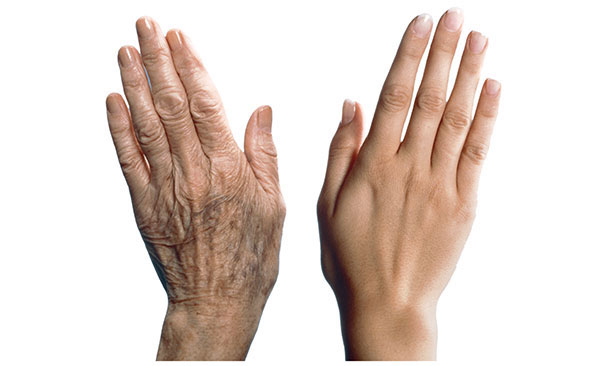
How can it be that my worth, my value, my importance are tied up in this world when it’s the soul that longs to soar and fly the heights of eternity, free of the shell of wrinkles and pain and limitations?  How can I not see that it is life, it is breath that is important and it is the real interior me that is destined for never dying?  Not this shell, not my hands with spots here and there and veins that stand up where once they were smooth; not the widows peaks under the hair I pull forward on my face to hide my receding hairline, and the spot above my right ear where the hair is not only turning white, it’s so thin I have to cut it just right to camouflage that increasingly bald spot; and not my funky endocrine system with its thyroid disease, its fatigued adrenals and malfunctioning hormones.  These don’t define who I am.  They will all fall away and my eyes will for once and ever clearly see the truth.

image:google-flickr

image:google-flickr

Then I will sing out in chorus with William Wordsworth:      “Our birth is but a sleep and a forgetting: the soul that rises with us, our life’s star, hath had elsewhere its setting and cometh from afar.  Not in entire forgetfulness, and not in utter nakedness, but trailing clouds of glory do we come from God, who is our home.”

Siren Call

I’m transfixed by the sight.  They loom over me.  I want to reach out to them but I’m tiny and insignificant with arms too short to traverse the space between us.  They rise over the horizon tall and majestic, varied in hue and shape and size.  There’s an imperiousness to their grandeur and their heft.  They are immobile yet changeable with the shifting cloud’s caress.  Some reflect the dawn’s pale pallet and the end of day’s bright glare while others remain dense and stark, unfazed by any movement of light.

I envision hope and determination and purpose swirling around them not unlike multiple lanes of traffic crisscrossing over and under and around on elevated highway exchanges.  And I’m drawn to them, my spirit and soul pulled closer and closer, wanting to join in, to let the swirling wash over me until I am one with the flow.

My spirit rises with anticipation of their mystery and I feel alive just to be in their shadow.  They call to me with some indefinable promise of unknown adventures; unknown paths to take and challenges to be conquered.

When I see them at night, they confuse the senses.  Their shapes are both intensified and vaguely indefinite against the night’s backdrop.  A backdrop punctuated by neon, taillights, headlights, lamps on tall streetlight poles and the erratic checkerboard of interior lights left burning after the five p.m. exodus has left those tall structures empty.

My memory takes me back to the days I did touch them; the days I stood in their halls and breathed their air; the days I braved the frantic pace that engulfed them in life each morning and the weary escape that left them behind each evening.

I had been drawn in by their promise and it was a full life that took strength and verve if I wanted to scale their heights.  Eventually, though, it all became not much more than office politics.  I felt no further promise there and tired of the heights, I merely wanted to emerge whole.  I left those highrises behind and set out to discover the me I would be apart from them; apart from the siren call of big city living.

image:discoverlosangeles

image:discoverlosangeles

These days my life’s tasks generally take me speeding past those behemoths, those skyscrapers that appear to me to be like sentinels guarding the way.  But I never pass without thinking, I know how you feel, those of you who enter their domain daily; I know what you’re going through. I’ve been there, I’ve lived that life.  I know what it’s like.

The intervening years between then and now have taken me other places and on a different journey and while I wasn’t looking, time ebbed away and now there’s a part of me that feels incapable of scaling their heights once more.  That is, until I see them again and then the old flame ignites.  There’s life here, it signals to me.  There’s excitement and purpose here, it whispers in the rush of air flowing past my speeding car.

But I don’t detour.  I continue along the concrete path that winds past downtown and the business centers, past the shopping centers and the factories and industrial areas and off the freeway’s paved canyon into suburbia’s land of houses and gas stations, churches, schools and grocers on the corner.  Into the land that was my Father and Mother’s life; into the alley behind their house and into their garage and on into their house I go, closing the door behind me.  This is my life now and I determine to continue here, to engage in this journey, this challenge.  But down inside, the flame is still lit and its warmth reminds me that I can be in both worlds.  The choice is mine.  There will be time once this task with Mother ends.  There’s a journey still ahead.

“You made it safe?”  Mother calls from her island of sameness at the dining room table, surrounded by familiar things, some treasured and some worthless yet hoarded rather than tossed out.

“Yes, Mother.  I’m here.”

Sight Calling

dandelion sky

image:wallpapersforest

Mortar and pestle soothe in their tempo
Peace

leave angst for rest            call
the
tap
tap
tap

of the jiggle
Rough smoothed
scattered            Collected              fractured           Reduced
what’s left is revealed but dressed.         Wait – But naked?                Old             new
comes the realization and the breath
Flows
Until up ratchet the old man on old trails of old pains
Wait! I’ll not stay
t he spell is broken yet choices remain
A journey = continual spiral   up   DOWN   UP   down
Ring around the rosie, a pocket full of posies
the music floats
The spirit joins
DOWN up down UP and on and on and on in what seems
Re dundant
For the sight is short
Ah, how sweet is that?
The needed sight is beyond this sight.
The huge sight reaching, drawing, calling Yes, we can. Together